Forex trading requires a clear understanding of currency movements, market trends, and changing price conditions. Traders often need a dependable digital environment where they can study charts, monitor currency pairs, and manage positions according to their trading plans. For users exploring a structured approach to online forex activity, MetaTrader 4 TradingSphere brings together tools that can support market analysis, trading decisions, and organized position management.
In This Article
- Forex Market Analysis
- Charting Tools
- Technical Indicators
- Currency Pair Monitoring
- Order Management
- Multiple Timeframe Analysis
- Risk Management
- Conclusion
Forex Market Analysis
The forex market involves the continuous movement of currency pairs, creating opportunities as well as financial risks. Traders may analyze price behavior to understand whether a market is trending, moving sideways, or experiencing increased volatility.
A well-organized trading environment can make this process easier by keeping important market information accessible. Traders can select currency pairs, review price changes, and compare different timeframes according to their individual strategies.
Understanding market conditions should remain an important part of the trading process rather than relying solely on individual signals.
Charting Tools
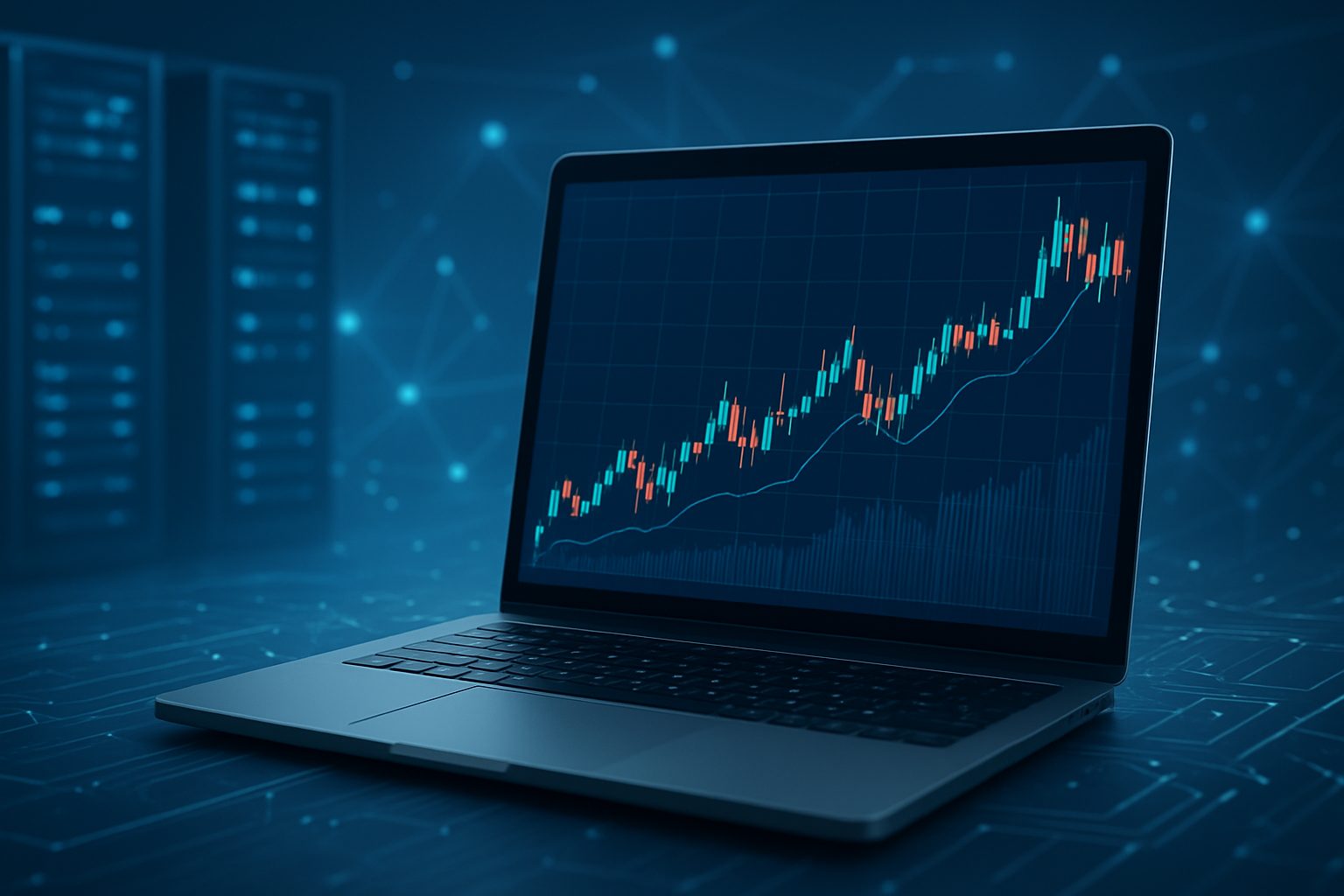
Charts provide a visual way to study price movements. Traders can use different timeframes to examine both short-term fluctuations and longer-term market trends.
Shorter charts can help users observe immediate changes, while longer charts may provide a broader view of market direction. Combining these perspectives can help traders develop better context before making decisions.
Drawing functions can also be useful for marking trend lines, support levels, resistance areas, and other important points. Organized charts allow traders to maintain clearer references during market analysis.
Technical Indicators
Technical indicators can add another layer of information to forex analysis. Traders may use indicators to examine momentum, volatility, trend strength, and potential changes in market behavior.
Different strategies may require different combinations of analytical tools. Some traders may prefer simple indicators, while others may use several measurements to support a detailed market review.
It is important to understand the purpose and limitations of each indicator. Technical signals do not guarantee future price movements, so they should be considered as part of a wider trading process.
Currency Pair Monitoring
Monitoring selected currency pairs can help traders maintain focus. A watchlist allows users to organize instruments that are relevant to their trading plans and observe their movements more efficiently.
Different currency pairs can respond differently to economic developments and market sentiment. Comparing price behavior can provide additional insight into changing market conditions.
An organized watchlist can also reduce unnecessary distractions by keeping attention on selected instruments instead of attempting to follow every available market.
Order Management
Effective forex trading also requires appropriate order management. Traders need to understand how to open, modify, and close positions according to their planned strategy.
Different order types can provide flexibility when entering or exiting the market. Traders should understand how each order functions before using it in active conditions.
Clear entry and exit plans can help reduce emotional decisions. Establishing predetermined conditions may also make it easier to maintain consistency during periods of increased market activity.
Multiple Timeframe Analysis
Forex markets can display different patterns depending on the timeframe being observed. A short-term upward movement may exist within a larger downward trend, while a temporary decline may occur during a broader upward movement.
Using multiple timeframes can provide additional context. Traders may first examine longer-term charts to understand general direction and then use shorter charts for more detailed observations.
This approach can help prevent decisions based only on isolated price changes.
Risk Management
Forex trading involves the possibility of financial loss, making risk management essential. Traders should consider position size, leverage, margin, and potential losses before entering any position.
Setting appropriate risk limits can help traders maintain better control over their activities. They should also avoid allowing emotions or short-term market movements to override their established plans.
Keeping a record of trades can support continuous improvement by helping users review previous decisions and identify recurring weaknesses.
Conclusion
MetaTrader 4 TradingSphere provides a structured environment for forex market trading with tools for charting, technical analysis, currency pair monitoring, multiple timeframe analysis, and order management. These features can help traders organize market information and develop a consistent analytical routine.
However, trading technology cannot guarantee successful results. Effective forex trading requires knowledge, preparation, discipline, and responsible risk management. By understanding available tools and applying them carefully, traders can create a more organized approach to studying currency markets and managing their trading activities.
Key Points
- Forex trading necessitates understanding currency movements, market trends, and changing price conditions.
- MetaTrader 4 TradingSphere offers tools for market analysis, trading decisions, and position management.
- Charting tools allow traders to study price movements and observe both short-term and long-term market trends.
- Monitoring selected currency pairs through a watchlist can enhance focus and efficiency in observing market movements.
- Risk management in forex trading is crucial and involves considering position size, leverage, and setting appropriate risk limits.
About the Author