
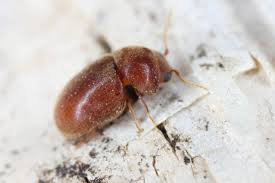
Property owners often overlook the silent damage caused by small pests until the financial impact becomes undeniable. Among the most destructive of these stored-product insects is the Cigarette Beetle (菸甲蟲), a tiny but formidable threat to pantries, warehouses, and homes worldwide. Understanding the early indicators of their presence can save thousands of dollars in contaminated goods, extensive professional pest treatments, and lost inventory.
What percentage of stored product damage is linked to this pest?
Industry statistics reveal that stored-product pests account for billions of dollars in agricultural and commercial losses annually. This specific beetle is responsible for a significant fraction of that damage, particularly in facilities housing dried goods, spices, tobacco, and pet food. Research shows that infestations can compromise up to 15% of stored inventory within a single facility if left unchecked for a quarter of the year. The pests easily chew through cardboard and soft plastic packaging, rapidly turning valuable stock into contaminated waste.
How quickly can a localized infestation spread throughout a property?
The reproductive mathematics of these insects are staggering. A single female can lay between 10 and 100 eggs within her short lifespan of two to four weeks. Under optimal conditions—typically environments with temperatures between 65 and 90 degrees Fahrenheit and high humidity—these eggs hatch in just six to ten days. Within two months, a minor localized issue can escalate into a severe, property-wide crisis. Data suggests that commercial properties experience a 400% increase in pest population every eight weeks during peak summer months without professional intervention.
What are the undeniable visual signs of an active population?
Detecting these pests requires a keen eye for specific environmental changes. Property owners report three primary visual indicators that confirm an active breeding cycle:
- Perforated packaging: The most common sign is the appearance of tiny, perfectly round holes in food containers, cardboard boxes, and plastic wrapping. Adult insects chew their way out of the packaging after pupating.
- Accumulated frass: A fine, powdery substance often gathers beneath infested items. This debris consists of food fragments and insect waste, heavily contaminating the surrounding area and signaling a mature population.
- Adult sightings: Mature insects are highly active and frequently fly in dimly lit areas or gather near windows. They are approximately one-eighth of an inch long, light brown, and exhibit a distinct humped appearance when viewed from the side.
What financial impact do property owners face annually?
The economic consequences extend far beyond the immediate loss of goods. Average residential mitigation costs range from a few hundred to over a thousand dollars, depending on the severity of the outbreak. For commercial property owners, the statistics are far more severe. Operational downtime, professional extermination services, and complete inventory replacement frequently push the financial burden into the tens of thousands. Furthermore, commercial entities risk severe reputational damage and health code violations if an infestation reaches the consumer level.
What actionable steps secure a property against future invasions?
Effective prevention relies on strict environmental control and proactive monitoring. Statistics show that properties implementing routine inspection protocols reduce their pest-related losses by over 70% annually. Keeping storage areas below 60 degrees Fahrenheit significantly slows the reproductive cycle of these pests. Experts recommend storing all vulnerable dry goods in airtight, glass, or heavy-duty plastic containers. Regular sanitation routines, coupled with the strategic placement of pheromone traps, provide the most reliable defense. By monitoring trap catch rates weekly, property owners can detect a minor insect presence long before it evolves into a statistically significant, resource-draining infestation.
About the Author